

Running a restaurant today requires far more than preparing great food. Owners juggle staffing complexity, financial pressure, supply management, guest expectations, and compliance obligations.
Rising labor expenses, frequent turnover, and tight margins pressure operators to work with precision and speed. Manual processes create bottlenecks that hold back growth.
Modern operators increasingly rely on digital systems to keep operations stable and profitable. Data shows that most operators report stronger performance when technology supports daily tasks.
Tools now function as essential infrastructure for:
- Maintaining consistency
- Controlling costs
- Supporting better guest experiences
Let’s see what types of tools we are talking about.
1. Point-of-Sale (POS) Systems
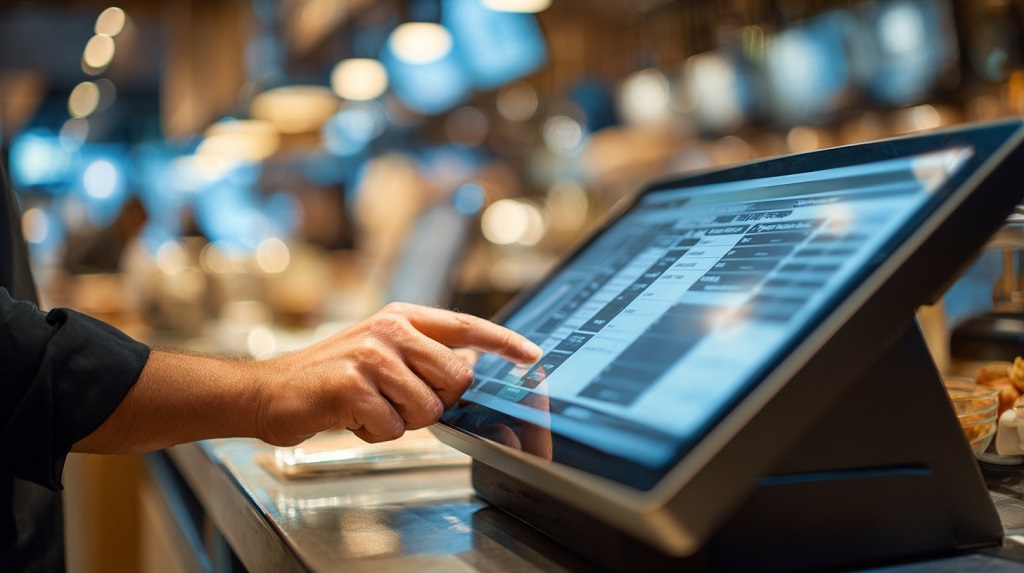
Modern restaurant operations rely on a central system that ties together transactions, staff activity, order flow, and customer behavior.
A well-configured POS creates structure, removes manual steps, and gives operators reliable insight into sales trends and operational performance.
Strong POS platforms help staff work faster and help managers reduce errors that cut into margins.
Function
Acts as the operational hub for transactions, sales oversight, order routing, customer insights, and financial reporting.
Key Features
- Sales analytics and custom reporting
- Integrated payments with contactless support and bill splitting
- Routing to kitchen display systems
- Table and floor management
- Loyalty, rewards, and customer relationship tools
Real-World Insights
Lavu POS ties together KDS, inventory, and CRM functions.
Real-time alerts help cut stockouts by roughly 15 percent.
Talech POS includes customer-facing screens, gift cards, and staff management functions.
eHopper POS supports inventory and online ordering across iPad, Android, and Poynt devices.
Benefits
- Centralized oversight of all daily activity
- Faster, more accurate order handling
- Smooth integration with finance tools, CRM, and kitchen systems
2. Hiring and Onboarding Platforms

Restaurants experience high turnover, making efficient hiring and onboarding essential.
Modern hiring platforms create structure in the recruitment process, help identify qualified applicants faster, and ensure new hires complete necessary paperwork without delays.
Function
Streamlines job postings, applicant review, communication, and onboarding documentation.
Key Features
- Multi-site job posting distribution
- Applicant tracking dashboard with filters
- Digital onboarding documents
- Screening for tax credits such as WOTC
Real-World Insights
StaffedUp offers QR code apply links, automated job postings, and bulk interview scheduling.
Low-cost entry plans help operators adopt hiring technology with minimal budget pressure.
Benefits
- Faster recruitment cycles
- All applicant data stored in one system
- Reduced paperwork and fewer new hire no shows
For restaurant groups backed by investors or scaling through private equity, executive structure and governance become just as important as frontline hiring. The Private Equity Hub provides strategic guidance for aligning board leadership with value creation and growth goals in fast-moving, investor-backed environments.
3. Inventory Management Tools
View this post on Instagram
Accurate supply control is crucial for managing food costs and preserving profit margins.
Strong inventory tools automate tracking so managers avoid guesswork regarding stock levels, recipe costs, and purchase needs.
Effective systems reduce waste and allow operators to make data-driven decisions on pricing, ordering, and vendor planning.
Function
Supports accurate oversight of food cost, supply flow, and waste by automating stock tracking tied to sales activity.
Key Features
- Real time deductions as items are sold
- Low stock and expiration alerts
- Recipe level cost calculation
- Waste tracking with purchase automation
Real-World Insights
Lavu’s inventory system helps operators cut excess stock by roughly 10 percent and reduce cost of goods sold by about 3 percent.
Oracle Simphony is used by large operators such as HMSHost to track supplies across multiple locations in real time.
Benefits
- Reduced spoilage and over ordering
- Better menu pricing accuracy
- Fewer labor hours spent on manual counts
4. Payroll and Financial Management Software

Strong financial oversight helps operators navigate tight margins and stay compliant with wage and tax regulations.
Automation reduces administrative workload and cuts payroll errors that lead to costly corrections.
Operators gain clearer visibility into profit movement, labor efficiency, and menu performance.
Function
Automates payroll, tracks labor expenses, manages reporting, and supports tax compliance.
Key Features
- Labor cost forecasting tools
- Automated payroll runs
- Real-time profit and loss reporting
- Expense tracking and tax documentation
Real-World Insights
QuickBooks Online integrates with POS systems, banks, and inventory platforms to streamline accounting activity.
Reporting tools reveal how menu adjustments influence margin performance.
Benefits
- Fewer payroll mistakes
- Clear visibility into financial health
- Hours saved on bookkeeping and reconciliation
5. Employee Scheduling Software
Staff scheduling impacts labor cost, staff morale, and service quality.
Operators benefit when schedules are created quickly and shared instantly.
Scheduling platforms help managers avoid overtime surprises and compliance issues while giving staff more control over their availability.
Function
Simplifies shift planning, labor forecasting, compliance alerts, and communication with staff.
Key Features
- Drag and drop schedule builder
- Mobile shift trades and time off requests
- Alerts for overtime and labor rule conflicts
- Integration with payroll and POS for accurate forecasting
Real-World Insights
Homebase forecasts labor cost based on POS sales data and sends schedules automatically.
StaffedUp connects hiring and scheduling in one platform, helping operators cut hiring time by about 50 percent.
Benefits
- Lower labor costs
- Better staff satisfaction
- Fewer scheduling mistakes and no shows
6. Online Ordering and Delivery Integration
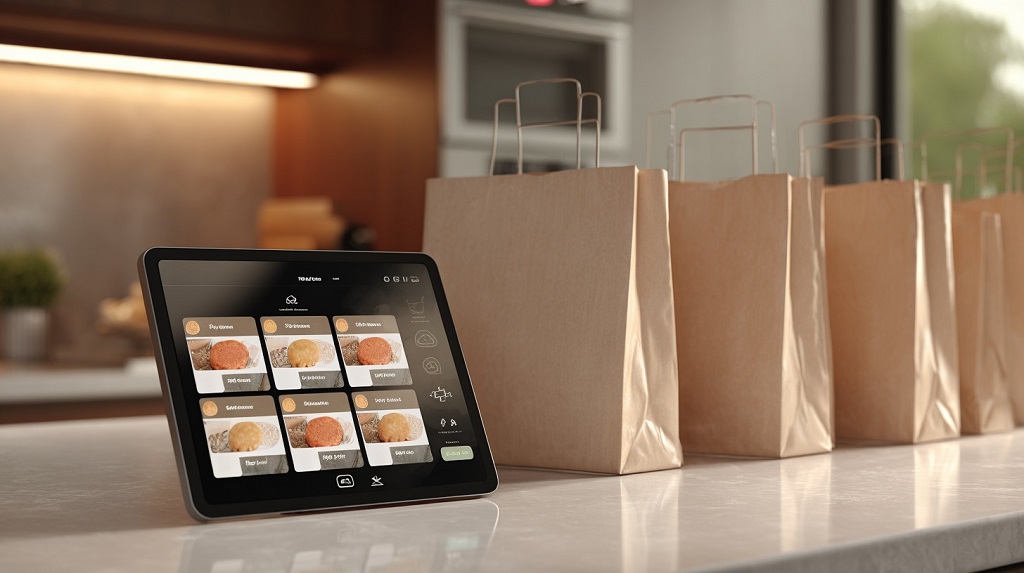
Digital ordering has become a major revenue channel for restaurants of all sizes.
Strong ordering systems remove friction for guests and minimize operational disruption by syncing with POS and inventory.
Operators gain the ability to manage in-house ordering and delivery partners without inconsistent workflows.
Function
Handles digital orders created through in-house systems or third-party aggregators and syncs them with POS and inventory.
Key Features
- Branded web and mobile ordering
- Dashboards for DoorDash, Uber Eats, and other delivery partners
- Loyalty program integration
- Automatic syncing with POS and inventory
Real-World Insights
Applova offers commission-free ordering, digital loyalty functions, and broad device compatibility.
Many platforms now integrate directly with POS systems to eliminate manual entry errors.
Benefits
- Additional revenue channels without adding seating capacity
- Lower commission expenses compared to marketplace-only models
- Faster, smoother guest ordering experiences
7. Kitchen Display Systems (KDS)
Smooth coordination between front and back of house depends on precise order flow.
Digital KDS setups remove paper tickets, reduce miscommunication, and help kitchens handle peaks with more consistency.
Operators gain visibility into prep times, delays, and station performance.
Function
Replaces paper tickets with digital screens that speed up kitchen workflow and improve order accuracy.
Key Features
- Color-coded order views are organized by station
- Real-time prep and routing updates
- Automated tracking of prep times
- Alerts for orders that fall behind
Real-World Insights
Oracle Simphony’s KDS supports large operators by reducing kitchen mistakes and tightening coordination across stations.
Benefits
- Faster, more accurate production
- Stronger communication between front and back of house
- Reduced ticket time and fewer remakes
8. CRM and Loyalty Management
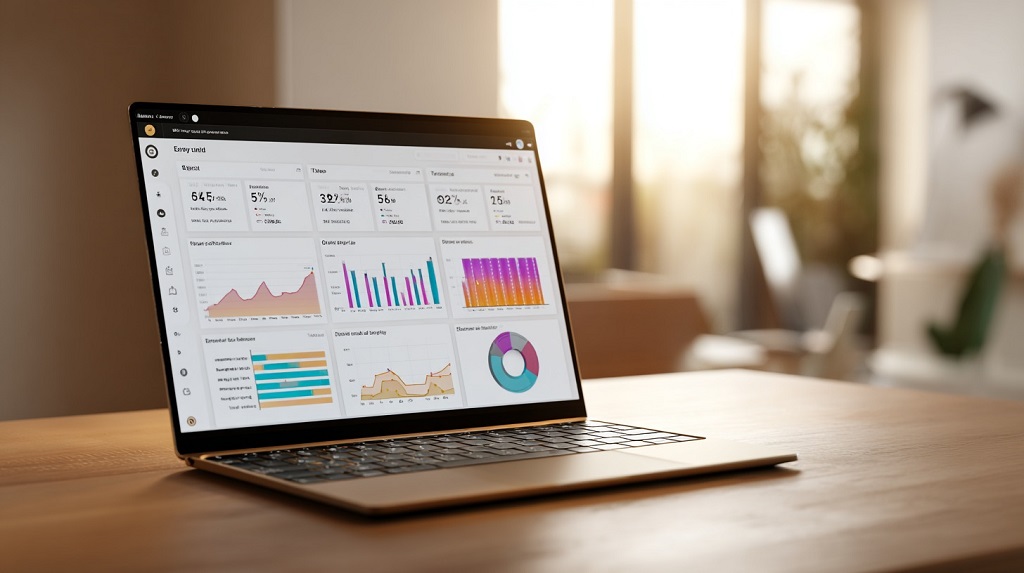
Guest retention often influences long-term profitability more than new customer acquisition.
CRM and loyalty systems help operators understand buying habits, send targeted offers, and respond to feedback quickly.
Personalized communication increases visit frequency and improves online reputation.
Function
Builds guest profiles and supports personalized marketing that encourages repeat visits.
Key Features
- Purchase history and guest preference tracking
- Automated promotions and segmented campaigns
- Integrated loyalty programs
- Review and feedback monitoring across platforms
Real-World Insights
Applova integrates loyalty tools directly into ordering platforms.
ReviewTrackers captures sentiment trends and keyword insights across multiple review sites.
Benefits
- Higher guest retention and lifetime value
- Better online ratings
- Smarter promotions based on accurate guest data
Closing Thoughts
Modern restaurants face rising expenses, high turnover, and constant pressure to deliver fast, consistent service.
Manual systems cannot keep pace with demand. Digital tools help stabilize workflows and lower friction across all departments.
Systems that connect POS, inventory, payroll, and scheduling functions remove repetitive work and reduce errors.
Staff members work with more clarity, guests receive faster service, and managers gain accurate insight into cost and performance.